


Teaching Tips & Tricks | Oct 29, 2012
Math Games and Math Center Ideas

By Angela Watson
Founder and Writer
Math Games and Math Center Ideas
By Angela Watson
Learn how to create and implement math games quickly and inexpensively! On this page, you’ll find photos of math games and free printable directions for several of them. You can see how to store and organize these math partner games and introduce them to your class on the Starting Math Game Routines page.
Teacher-made math games for grades 2-4
Remember, even if you don’t use math partner games, you can still use the activities below as centers, in small groups, or as whole class games! Click on any picture to enlarge it and read the directions.
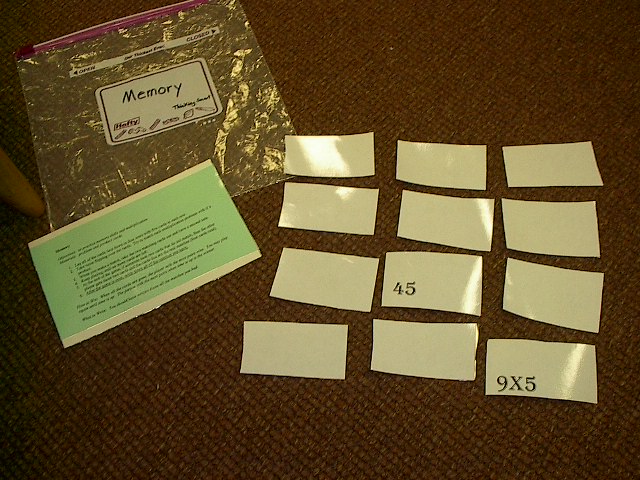
Division Memory
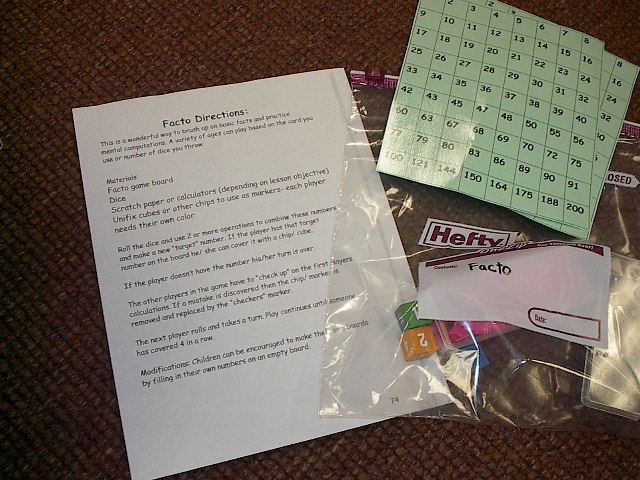
Facto: Basic Math Fact Practice
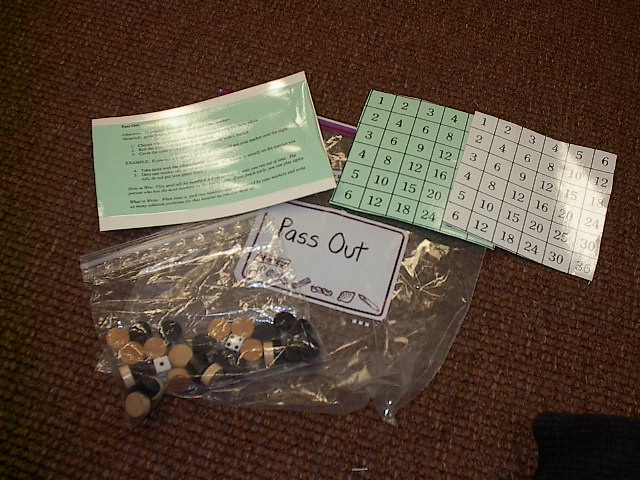
Pass Out (Multiplication Practice)
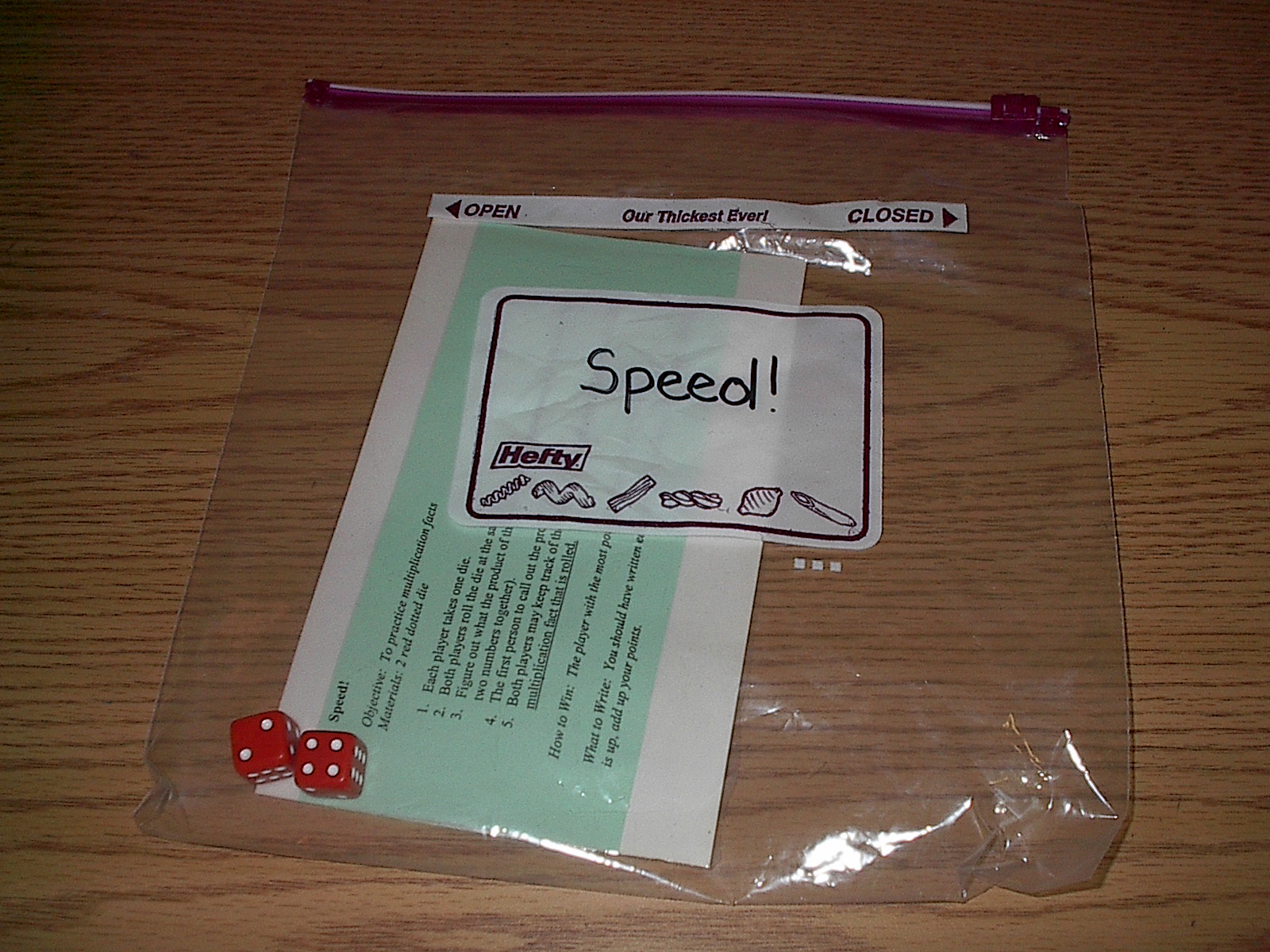
Speed (basic fact practice, any operations students know)
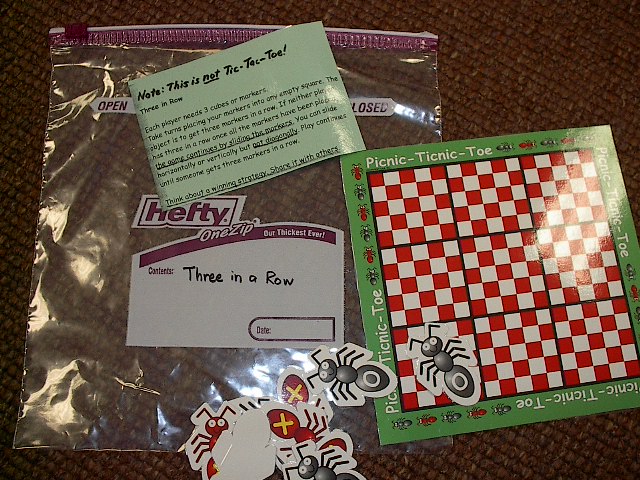
Three In A Row (A game of logic and strategy)
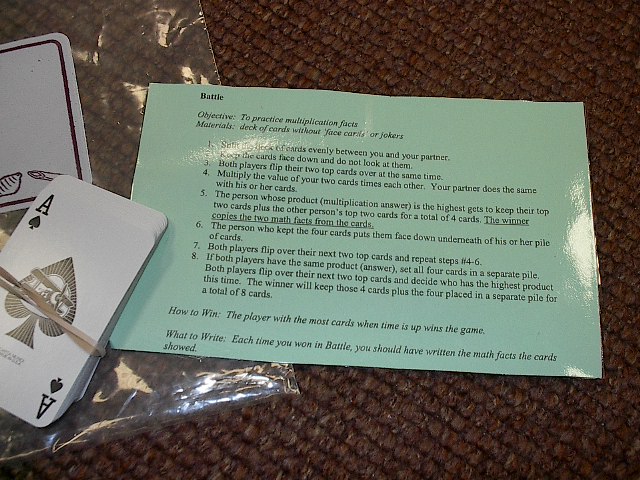
Battle (basic fact practice, any operations)
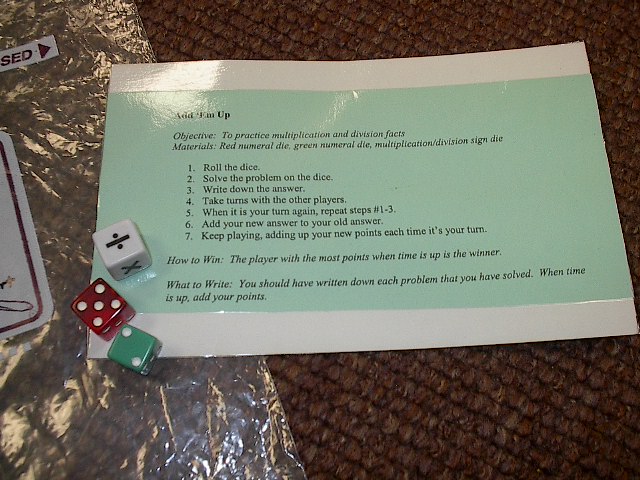
Add ‘Em Up (multiplication/division facts)
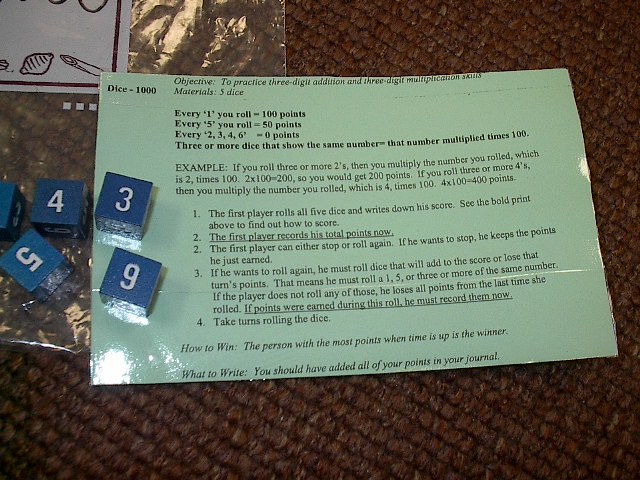
Dice 1000 (3 digit addition and 3 digit multiplication)
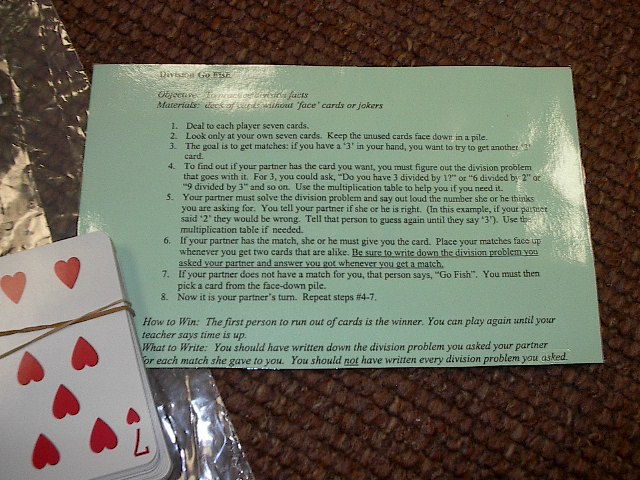
Division Go Fish (division fact practice)

Timed 5 Card Operations (all math operations students know/ fact families)
There is also an untimed version.
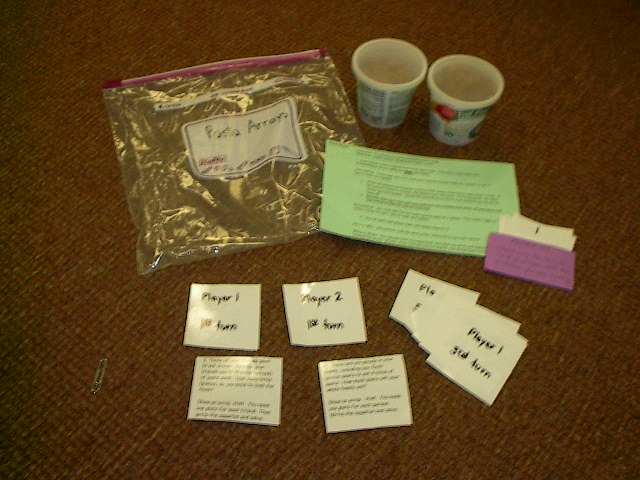
Printable math partner games for Common Core
I am in the process of creating printable directions for the games above and many, many more! If you don’t have the time and energy to make your own centers, just purchase and print these out–they’re ready to use!
So far, I’ve made math games for every Common Core domain for grades 1-5 (Operations and Algebraic Thinking, Number and Operations in Base Ten, Fractions, and Geometry) with the exception of Measurement and Data. Info on each is below.
After numerous requests, I have finally made a printable set of multiplication KITs and addition KITs! Each download is 171 total pages and is available for $4.50. They include the recording sheets with directions for each KIT, instructions for making the KITs, game boards and game cards, and more. You can download a free preview to see everything that’s included before you buy. I really appreciate your support!
Commercially-bought games
Below are commercially-bought games that took a very short time to turn into math tub activities/partner games.
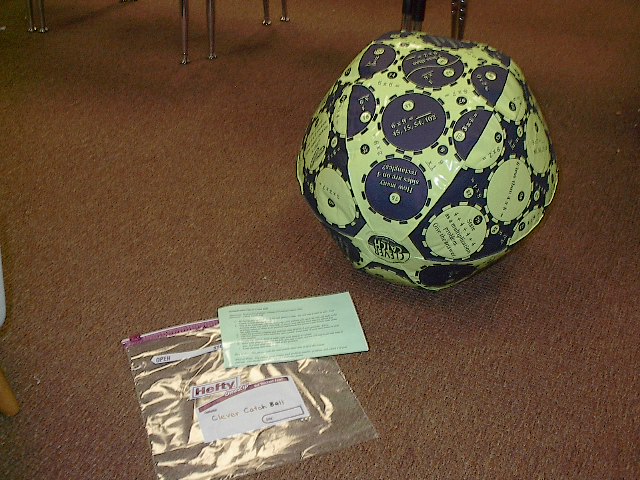
Clever Catch Ball: Students toss this beach ball gently back and forth; whatever math problem their left thumb lands on, they have to solve. I have one for each of the four math operations. You can also buy plain beach balls at the dollar store and write on them yourself with permanent marker. You can program the balls with parts of speech, countries/capitals, vocabulary words, spelling words (read the word aloud to the partner and they must spell it correctly)… the possibilities are endless! Be sure to have students model how to toss and how not to toss the ball, and don’t be afraid to put away this activity if students get too wild with it.
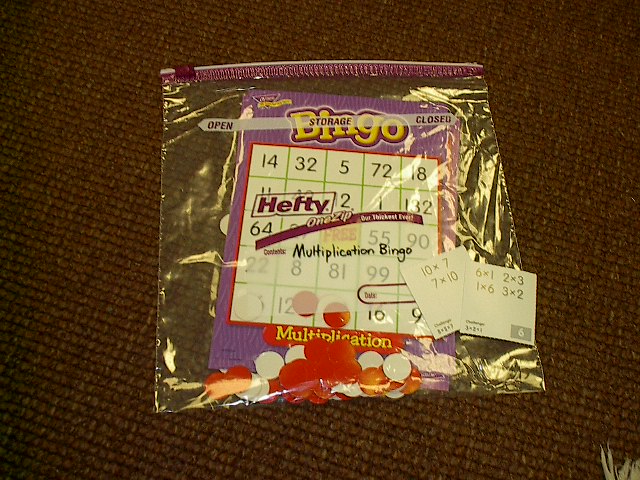
Many teachers have math bingo games, either store bought or handmade. Pull a few bingo cards from your supply, along with extra chips/ place holders and photocopies of the fact problem cards and you’re ready to go! Students put the fact problem cards in a face-down stack and flip them over one at a time, covering the numbers on their boards as corresponding math problems are shown. The first one with a completely full board wins.
Turn a worksheet into a hands-on game!
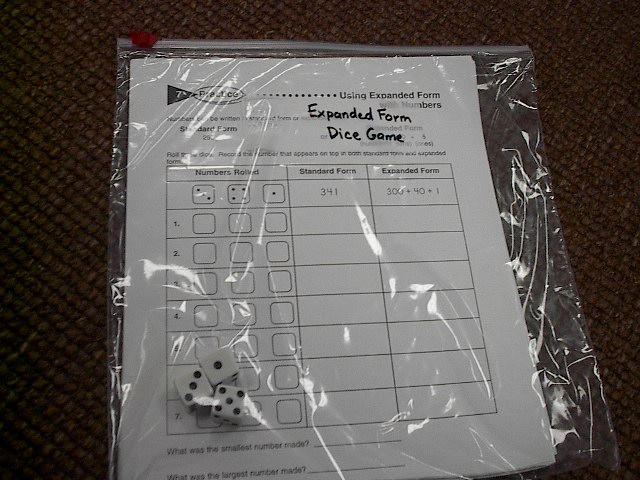
Even worksheets can make great centers and math tubs! The only problem is you must keep a supply of photocopies. About once a month, put a center helper in charge of checking worksheet centers and math tubs to be sure they have enough copies. The student can pull one copy of the sheets that are running low and place it in your file or basket of papers to take to the photocopier. Also, some worksheets are simple enough that older students can copy the graphic organizer or framework onto their own paper. This worksheet is an example of one simple enough that some students could make themselves, especially if you did not require that they copy the pictures of the die.
Angela Watson
Founder and Writer
Discussion
Leave a Reply
OR

Join our
community
of educators
If you are a teacher who is interested in contributing to the Truth for Teachers website, please click here for more information.


Dear Angela,
I just came across your site on a post and have been spending the last “short” hour reading it! Wow, this is fabulous and I’m very grateful for your contributions. I’ve been teaching for many years and have many supplies and love to make resources and games for my students. My problem has always been organization of the materials and locating some of the supplies quickly. Also finding the time to have the kids work on them and then keeping them engaged with the game and not each other as well as the noise level. I know I will love copying the resources that you have provided and will look into purchasing your book. My sister has just entered the teaching field and will be getting this link tonight.
Sincere thanks again,
Leanne
You’re very welcome, Leanne! The book goes into a LOT more detail about how to organize materials for games, centers, etc. as well as how to keep kids on task during manipulative use and games. It’s pretty step-by-step and I think it will be very helpful. 🙂
Dear Angela,
i love ur website. I am currently working in a Biligual School in Mexico and this is the sort of stuff we want to accomplish. We are teaching teachers to create learning centers and ur resource is very helpful. If you r ever in the country come email me so u can visit and give a workshop!!!
Thanks
Thanks, Katina, for the kind words! Check out the webinar I just released–it’s like attending my workshop virtually!
Thanks for sharing your ideas! Another free resource that I find useful for math centers is:
http://www.k-5mathteachingresources.com
It provides a range of math teaching resources, math games, and hands-on math activities for K – 5th grade and all activities are correlated with the Common Core State Standards.
This is very very helpful not to only kids but parents as well. As you can see that your child is learning with math stuff while having fun. Very brilliant! I love it! Your a super guru!
GREAT ideas !! Thanks for sharing. I love how you create a baggie for each game with everything ! the kids need for that game. How do you store the baggies full of games? Thanks for your insight.
…..R
Hi, Rhonda! You can store the baggies in any sort of container. I think I used a plastic tub. I have seen teachers store them on dowel rods and on clippy hangers, too:
https://truthforteachers.com/free-resources/organization/teachers-ideas